Healing traditions in South Sudan are diverse, community-based, and should never be treated as one national practice. For urgent illness or injury, clinical assessment and emergency care should come first whenever they are available.
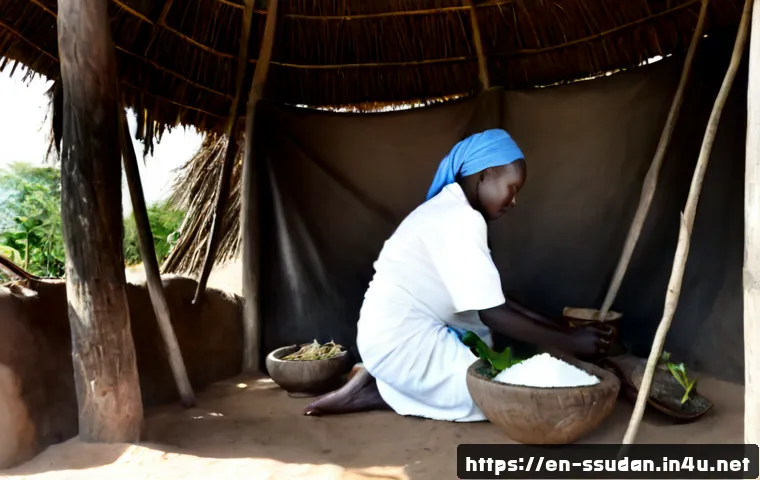
In many communities, people may understand distress through physical, social, spiritual, and ancestral dimensions at the same time. Family members, elders, traditional practitioners, and religious leaders may all play meaningful roles.
Travelers and program staff can learn respectfully through community-led cultural programs, qualified interpreters, and clear consent processes. The key is to distinguish cultural learning from medical advice and private religious or ceremonial practice.
At a Glance
- South Sudan has many ethnic and language communities, so healing beliefs and practices vary widely.
- Healing may involve family support, prayer, reconciliation, protective practices, herbal knowledge, or consultation, depending on the community.
- Visitors should seek consent-based cultural learning and should not use ceremonies or remedies as substitutes for urgent medical care.
| Option | Main Purpose | Consent Expectations | Appropriate Use |
|---|---|---|---|
| Community-led cultural program | Education and respectful exchange | Clear agreement on access, questions, recording, and payment | Learning about local perspectives with a guide or interpreter |
| Private ceremony or religious practice | Support for individuals, families, or a faith community | Permission may be limited or unavailable; privacy must be respected | Only when invited and when participation boundaries are clear |
| Healthcare service | Medical assessment and treatment | Patient privacy and informed care expectations apply | Urgent symptoms, injury, severe illness, or any health concern needing assessment |
What Healing Can Mean in South Sudanese Communities
Health, relationships, spirituality, and social balance
In some South Sudanese communities, illness may be understood through more than physical symptoms alone. People may also consider relationships, family tensions, spiritual concerns, ancestral connections, or broader social harmony. This does not mean every person explains illness in the same way. It means that care can have several layers, including practical support, prayer, conversation, reconciliation, and treatment-seeking.
A respectful reader should avoid treating these perspectives as exotic alternatives to healthcare. They are part of how some people and communities make sense of distress and organize support. Traditional care and biomedical healthcare may be used alongside each other rather than being treated as opposing choices.
Why no single description represents the entire country
South Sudan includes many ethnic and language communities. A practice described in one place may not exist elsewhere, may have a different meaning, or may be private. The exact words, objects, sequence, and purpose of a particular ceremony cannot be assumed from a general article.
For travelers, researchers, and cultural-program staff, the safest approach is simple: ask locally, listen carefully, and let community members define what is appropriate to discuss. Do not label a local practice as “South Sudanese tradition” without context.
The immediate takeaway for respectful readers and travelers
Learn through people who have a legitimate community connection and who can explain boundaries. A good cultural guide or local interpreter helps visitors understand context without pushing families or practitioners to reveal private knowledge. If a topic involves illness, trauma, bereavement, or religious practice, privacy deserves extra care.
Understanding Different Sources of Care and Support
Family, elders, traditional practitioners, and faith leaders
Family members and elders can be important sources of comfort, advice, and practical support. Traditional healers may also hold recognized community roles, although recognition, responsibilities, and methods can vary greatly by location. Religious leaders may be asked to pray, counsel families, or provide spiritual support.
Visitors should not assume that a named practitioner is community-recognized, medically qualified, or appropriate for health-related advice. If a cultural tour or educational program includes a meeting with a practitioner, it should be presented as cultural interpretation, not a healthcare consultation.
Prayer and church-based support in some communities
Christianity is widely practiced in South Sudan, and Christian prayer may be part of how some individuals and communities seek healing. Church-based support can be deeply personal. Attendance at a service, prayer gathering, or private pastoral conversation should never be treated as a visitor attraction.
When a host community offers a public learning opportunity, ask what participation is welcome. Observing quietly may be appropriate in one setting, while photography, recording, or asking detailed questions may not be.
Clinics and hospitals: when medical assessment should come first
Access to clinics, trained staff, medicines, transportation, and emergency services can vary significantly by location. That makes advance planning important for visitors and organizations. A cultural guide is not a replacement for a medical referral plan.
Urgent symptoms, serious injury, severe illness, or a rapidly worsening condition require medical assessment as soon as possible. Do not delay care in order to seek a ritual, herbal preparation, prayer session, or cultural consultation. No cultural experience should make medical promises.
Comparing Cultural Learning, Private Practice, and Healthcare Needs
How to use the comparison framework
A public cultural learning program should have an educational purpose, clear local leadership, and transparent boundaries. A private ceremony may be meaningful to participants but not available for observation. Healthcare services exist for medical needs and should be approached through appropriate clinical channels.
Before arranging a visit, confirm the purpose, access rules, consent process, cost transparency, and risk boundaries. These questions reduce misunderstanding for both visitors and hosts.
When paid cultural interpretation may be appropriate
Paying fairly for a local guide, interpreter, transport support, or community-led educational session can be appropriate when arrangements are transparent. Payment should not be framed as buying access to sacred knowledge or pressuring people to share private experiences.
Ask who receives the payment, what services it covers, and whether the community has agreed to the visit. For a cultural tour or interpreter service, look for clear scope: language support, meeting logistics, educational context, and rules about notes or images.
Why visitors should not treat ceremonies as medical services
A ceremony, prayer practice, or traditional consultation may have cultural or spiritual importance, but this article cannot confirm the effectiveness or safety of any remedy or intervention for a medical condition. Avoid providers that imply a guaranteed cure or encourage people to avoid necessary clinical care.
Respecting tradition and protecting health are not competing goals. The responsible position is to honor people’s beliefs while keeping medical decisions separate from visitor curiosity.
Ethical Participation and Common Mistakes to Avoid
Ask before observing, recording, photographing, or sharing
Permission should be specific. Being welcomed into a community does not automatically permit photographs, audio recordings, video, or public social-media posts. Ask again if the setting changes, especially when personal illness, prayer, grief, or family matters are involved.
Avoid pressuring communities to disclose sacred knowledge
Do not ask a guide to “arrange a real ritual” for entertainment. Some knowledge may be sacred, private, restricted by age, role, family, or faith, or simply not meant for visitors. A respectful educational program can still be valuable when it focuses on broad context rather than confidential details.

Do not delay urgent medical care for ritual or herbal remedies
Herbal knowledge and protective practices may be discussed in cultural settings, but their safety and effectiveness for a particular condition require verification that this article cannot provide. Do not use a cultural visit to make treatment decisions. If a person needs urgent help, focus on reaching appropriate healthcare services.
Use qualified local interpreters and transparent community agreements
A capable interpreter does more than translate words. They can explain respectful forms of address, clarify consent, and help prevent visitors from making assumptions. Ask whether the interpreter has relevant local knowledge and whether the host community understands the purpose of the visit.
Practical Planning for Researchers, Visitors, and Program Staff
Questions to ask a cultural guide or community organization
Ask who leads the program, how community consent is obtained, and what visitors may or may not observe. Confirm whether photography, note-taking, or recording is allowed. Also ask how the program handles sensitive questions, private ceremonies, and requests that a host declines.
For an interpreter or local cultural guide, ask how they manage confidentiality and whether they can explain local boundaries without speaking on behalf of people who should speak for themselves.
Budgeting for fair interpretation, transport, and consent-based access
Build a budget around legitimate needs such as interpretation, transport, local coordination, and fair compensation for agreed educational work. Request transparent pricing before confirming arrangements. Fees, permissions, and participation requirements can vary, so verify them directly rather than relying on assumptions.
A useful rule is to pay for clearly described work, not for promises of exclusive access to private traditions. Official program details and full service conditions should be checked on the relevant provider’s page before booking.
Risk planning, local partnerships, and safeguarding expectations
Program staff and researchers should plan for transport limitations, changing access to services, privacy concerns, and emergency referrals. Appropriate travel insurance and a clear health and security plan may matter, but coverage terms must be checked directly with the insurer.
Local partnerships should include safeguarding expectations: no coercion, no misleading representation, no medical claims, and no sharing of identifiable stories or images without permission.
Choosing an Ethical Learning Experience: A Decision Summary
Before choosing a cultural tour, interpreter, or community-led learning program, use these checks:
- Local leadership: Is the experience shaped by community members rather than imposed by outside demand?
- Clear consent: Are observation, participation, recording, and photography rules explained in advance?
- Qualified interpretation: Can the guide or interpreter provide context and communicate boundaries accurately?
- Transparent pricing: Are services, payments, and any community benefits clearly described?
- No medical promises: Does the provider avoid presenting spiritual or traditional practices as clinical treatment?
- Practical safety planning: Are transport, insurance considerations, and healthcare referral needs addressed appropriately?
If an organizer cannot explain consent, privacy, pricing, or the educational purpose of a visit, choose another option. Check the provider’s official information for detailed terms, insurance conditions, and current access arrangements.
In Closing
Healing traditions in South Sudan should be approached with humility and attention to local differences. Community support, faith, family relationships, and traditional knowledge may all matter in people’s lives. But cultural understanding is not the same as medical treatment. The most respectful visitors learn through consent, accept limits, and prioritize safety when health concerns are urgent.
Useful Things to Know
1. A public explanation of a tradition does not mean a private ceremony is open to visitors.
2. A local interpreter can help with both language and cultural boundaries.
3. Transparent agreements protect hosts, participants, and visitors.
4. For illness or injury, cultural interest should never delay appropriate medical assessment.
Important Notes
This overview does not describe the exact content or current status of any specific healing ceremony. Practices, permissions, fees, photography rules, and access conditions require local confirmation. It also does not assess the legitimacy of individual practitioners or the safety and effectiveness of herbal, spiritual, or ritual interventions for medical conditions.
Frequently Asked Questions
Q1. Are traditional healing practices in South Sudan safe for medical conditions?
A1. Their safety and effectiveness for a particular medical condition cannot be assumed. Traditional care, prayer, and community support may be meaningful in local contexts, but they should not replace urgent medical assessment or necessary clinical care.
Q2. Can travelers observe a healing ceremony in South Sudan?
A2. Possibly, but only if the relevant community considers observation appropriate and gives clear permission. Some practices may be private, sacred, or not open to visitors. Never assume access, and do not record or share anything without specific consent.
Q3. How can I choose an ethical cultural guide or interpreter for learning about local healing traditions?
A3. Choose someone who can explain community leadership, consent procedures, privacy rules, service scope, and pricing. Look for an educational approach rather than promises of secret access or medical outcomes. Confirm whether the program has a clear policy for photography, sensitive topics, transport planning, and healthcare referrals.