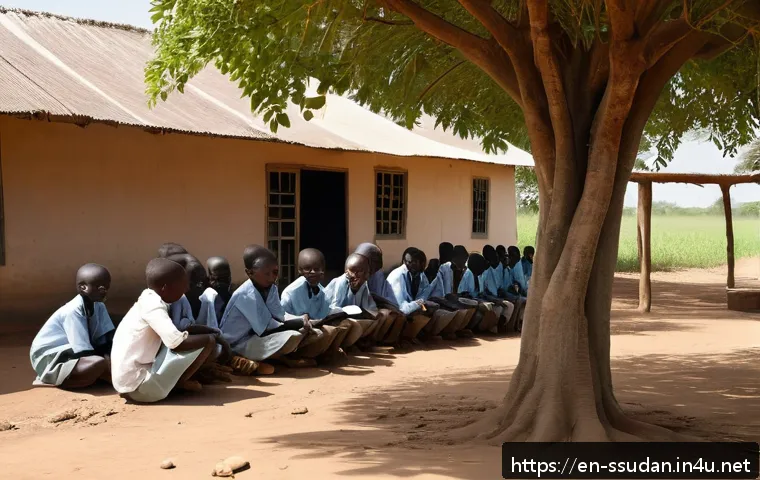
The best agricultural technology in South Sudan is usually the option that can be operated, repaired, and financed locally, not the most advanced machine available.
For many farms and programs, practical gains may come from better water management, basic tools, storage, and reliable advisory support before large equipment purchases.
Irrigation systems, solar water pumps, farm mechanization, improved seed, and post-harvest equipment should be compared against road access, seasonal flooding, labor, service coverage, and market demand.
This is especially important where rainfall is irregular and disruptions can affect planting, harvesting, transport, and agricultural services. A small local trial can reveal whether an investment fits the crop calendar and operating conditions before a larger commitment is made.
At a Glance
- Choose practical technology first: local repair access, operator skills, and dependable operating costs matter as much as equipment capacity.
- Compare the full
- Start small and validate locally: pilot a tool, pump, storage method, or service model before scaling across farms or communities.
| Investment Option | Typical Use Case | Recurring Needs | Skills Required | Major Risk to Check |
|---|---|---|---|---|
| Solar irrigation pump | Farms with suitable water access and a clear irrigation need | System care, pump maintenance, possible component replacement | Basic operation and maintenance training | Water access, seasonal flood exposure, and local repair support |
| Fuel-powered pump | Situations needing portable pumping where fuel supply is workable | Fuel, maintenance, transport, replacement parts | Operator and engine maintenance skills | Fuel reliability and spare-part availability |
| Mechanization service | Land preparation or other labor-intensive tasks for multiple users | Service fees, scheduling, maintenance responsibility | Booking and field coordination | Equipment arriving at the right point in the crop calendar |
| Drying and storage | Producers losing saleable crop volume after harvest | Cleaning, upkeep, handling procedures | Basic post-harvest management | Storage suitability, access, and responsibility for management |
| Mobile advisory tools | Groups needing timely farming or market information | Connectivity, device access, user support | Basic phone and information-use skills | Whether the service is accessible and useful locally |
What Agricultural Technology Can Realistically Improve in South Sudan
Agricultural technology can support more reliable production in South Sudan, but it should address a clear constraint rather than follow a product trend. Agriculture is a major livelihood source for many households, and much production is carried out by smallholder farmers who depend heavily on rainfall. Where irregular rain, drought, or flooding affects production, a suitable investment may improve resilience or reduce a specific bottleneck. The key caution is that fertile land and production potential do not automatically create reliable market supply when roads, storage, finance, inputs, and extension support remain limited.
Focus First on Reliable Production, Lower Labor Pressure, and Reduced Post-Harvest Loss
Start by identifying where value is being lost. A farm may need better planting support, labor-saving hand tools, access to improved seed, drying capacity, or safer crop storage more than it needs a large tractor. Post-harvest handling, drying, and storage can be as important as production equipment when losses reduce the volume available for sale. A technology decision should connect to the farm’s actual crop flow: planting, field management, harvest, drying, storage, transport, and sale.
Why Local Operating Conditions Matter More Than Headline Equipment Capacity
A high-capacity machine is not necessarily a strong investment if it relies on imported spare parts, specialist maintenance, or reliable fuel that cannot be accessed consistently. Remote locations can face higher operational risk when equipment is difficult to transport, repair, or secure. Serviceability should be treated as a core performance feature. Ask who can operate the technology, who can repair it, and what happens if it fails during a critical farming period.
Three Quick Priorities for Farms and Agricultural Programs
First, assess the production constraint before selecting an agricultural technology supplier. Second, prioritize tools with a clear local operating plan, including training and maintenance responsibility. Third, protect the value already produced by considering storage and transport alongside field-level investments. These priorities are useful for individual farms, cooperatives, NGOs, and agribusiness operators.
Compare the Main Investment Options Before Choosing Equipment
Solar Irrigation Pumps Versus Fuel-Powered Pumps
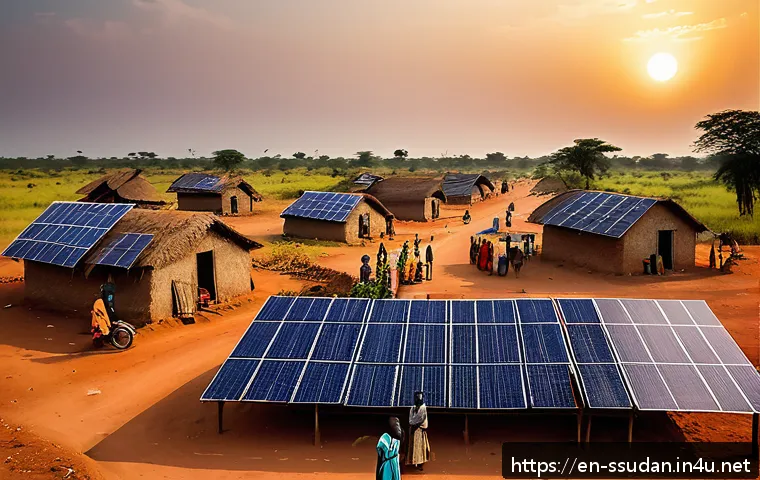
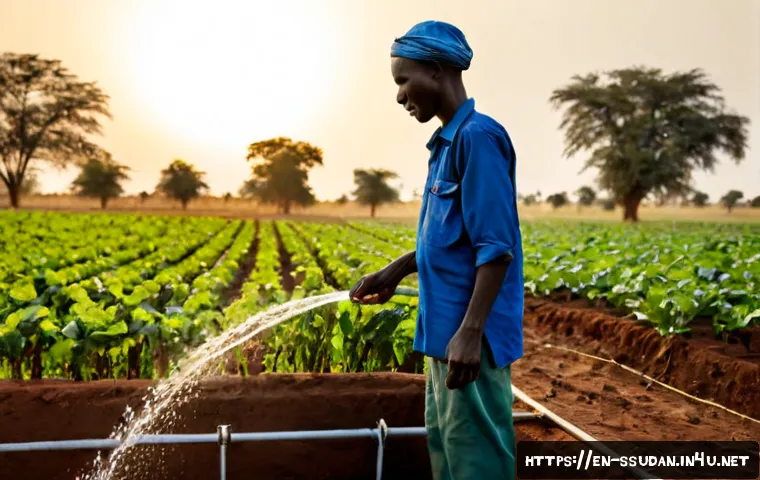
Solar water pumps may be worth assessing where a farm has suitable water access, a recurring irrigation need, and a plan for system maintenance. They can reduce reliance on fuel, but suitability depends on site conditions, water access, component support, and the ability to protect and maintain the system. Fuel-powered pumps can be more portable in some settings, but they create ongoing fuel, maintenance, and transport requirements. Do not compare pumps by purchase price alone. Compare water needs, operating routines, repair access, seasonal risks, and the total cost of keeping the pump working.
Hand Tools, Two-Wheel Tractors, and Shared Mechanization Services
Hand tools can remain the most practical choice where plots are small, labor is available, and machine service is limited. Two-wheel tractors and other farm mechanization options may reduce labor pressure for certain tasks, but their value depends on timely use, trained operators, maintenance, and spare parts. For farmer groups, a shared mechanization service may be safer than individual ownership when demand can be organized around the crop calendar. Booking rules, operator responsibility, repair funding, and transport between fields should be agreed before equipment is acquired.
Improved Seed, Soil Management, and Basic Extension Support
Technology is not only machinery. Improved seed, practical soil management, and basic extension support can help farmers make better decisions with the resources already available. Their results cannot be assumed without crop, soil, rainfall, labor, and market information, so local validation is still necessary. A seed supplier or agricultural advisory platform should be assessed for the relevance of its products or information to local conditions, not only for its marketing claims.
Drying, Storage, and Small-Scale Processing Equipment
When crops are produced but cannot be handled or stored well, additional field production may not translate into more saleable output. Drying and storage systems can help address this gap when they fit the crop, local handling practices, and management capacity. Small-scale processing equipment may also deserve consideration for market-oriented producers, but it requires a realistic plan for power, maintenance, operator skills, and market demand. Protecting the harvest may provide more practical value than adding another production machine.
Mobile Advisory and Market-Information Tools
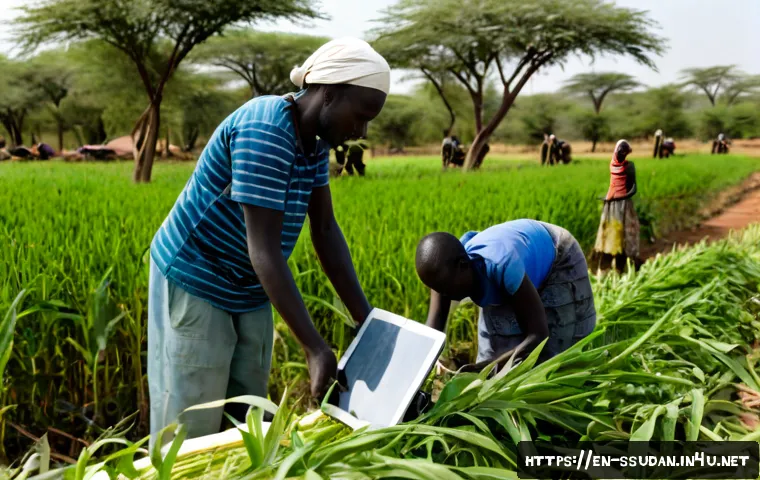
Mobile advisory tools can support access to agricultural information where users have suitable devices, connectivity, and practical support. They should not replace local observation, field training, or site-specific judgment. Before adopting a digital service, check whether farmers can access it consistently, understand the information, and act on it within their local production and market conditions.
Assess Costs, Service Capacity, and Value—Not Just the Purchase Price
Upfront Cost, Transport, Installation, and Training
The advertised equipment price is only one part of the decision. A procurement review should include transport to the intended site, installation requirements, training, initial accessories, and any preparation needed before use. Rural roads, flooding, displacement, and insecurity can disrupt delivery and setup. A technology that cannot reach the farm or be installed safely is not a low-cost option.
Recurring Costs: Fuel, Maintenance, Batteries, Connectivity, and Replacement Parts
Every technology has an operating burden. Fuel-powered equipment may require reliable fuel and engine maintenance. Solar systems may require component care and eventual replacement planning. Digital services may depend on connectivity and device access. Storage and processing equipment may need cleaning, repairs, and responsible management. Compare these recurring needs before committing limited budgets, especially where imported parts or specialist technicians may be difficult to access.
When Equipment Leasing, Cooperative Ownership, or Contractor Services May Be Safer
Ownership is not the only model. Leasing, cooperative ownership, and contractor services may reduce the risk of purchasing equipment that sits idle or cannot be maintained. These models can be useful when a machine is needed only at specific points in the season. However, shared arrangements need clear rules on scheduling, payment, operator use, repairs, and what happens when demand is higher than available capacity.
Questions to Ask Suppliers and Implementation Partners Before Signing
Ask for a written maintenance plan. Confirm whether trained technicians, spare parts, warranties, and service coverage are available near intended users. Request clear information on operator training and expected downtime procedures. Check who will pay for transport, installation, repairs, and replacements. For irrigation systems, confirm that water access, local land arrangements, water rights, and flood exposure have been assessed for the specific site.
Build a Practical Rollout Plan and Avoid Common Failures
Start with a Site Assessment for Water, Soils, Access, and Security

A site assessment should happen before procurement, not after delivery. Review water availability where irrigation is considered, field access for equipment, soil conditions relevant to the crop, storage location, seasonal flood risk, and current security conditions. These factors can change between states, counties, and communities. Local conditions must be confirmed directly rather than assumed from a general plan.
Test on a Small Plot or Pilot Group Before Scaling
A small pilot provides a practical way to test fit. It can show whether operators can use the technology, whether maintenance is manageable, whether the schedule works, and whether the tool solves the intended problem. This start small, validate locally approach reduces the chance of buying unsuitable machinery, pumps, or unsupported software for a wider program.
Train Operators, Assign Maintenance Responsibility, and Keep Simple Records
Training should cover normal use, basic checks, safe storage, reporting faults, and who is responsible for maintenance. Keep simple records of use, downtime, repair needs, and scheduling issues. The goal is not complex reporting. It is to help a farm, cooperative, or implementation team see whether the equipment is being used as planned and where costs or disruptions are emerging.
Avoid Oversized Equipment, Unsupported Software, and Technologies Without Repair Access
Oversized equipment can create unnecessary transport, fuel, maintenance, and scheduling burdens. Unsupported digital tools can fail if users lack connectivity or local assistance. Equipment without accessible repair support may be most vulnerable when it is urgently needed. Select a smaller, simpler option when it better fits local capacity and can remain operational through the season.
Match the Technology to the Farming Situation
Rain-Fed Smallholders: Resilience, Seed Quality, and Low-Maintenance Tools
For rain-fed smallholders, practical priorities may include suitable seed access, basic extension support, low-maintenance tools, and post-harvest practices. Because rainfall can be irregular and flooding can disrupt farming activities, the first question is whether a proposed tool remains useful under changing seasonal conditions. Investments that require complex maintenance or dependable fuel may carry higher risk in remote areas.
Water-Accessible Farms: Irrigation Sizing and Solar-Pump Suitability
Farms with water access may assess irrigation systems and solar water pumps, but suitability depends on the specific site. Confirm the source of water, seasonal availability, land access arrangements, local water rights, security, flood exposure, maintenance capacity, and crop plan. A pump should be sized around an identified need rather than chosen for maximum output.
Farmer Groups and Cooperatives: Shared Assets and Booking Rules
Farmer groups can potentially use shared equipment, storage, or mechanization services to spread access across members. The technology itself is only part of the model. A group needs clear booking rules, operating responsibilities, maintenance funding, and fair access during high-demand periods. Without these arrangements, a shared asset can become difficult to use or maintain.
Market-Linked Producers: Storage, Grading, Transport Coordination, and Processing
Market-oriented producers should consider what happens after harvest. Storage, drying, grading, transport coordination, and appropriate processing can matter where saleable volumes are reduced by poor handling. The right choice depends on actual market demand and the producer’s ability to operate the system. Do not assume a processing investment will create a market without checking local buyer requirements and logistics.
Selection Criteria and Comparison Summary
Compare total ownership cost, including transport, installation, fuel or solar capacity, maintenance, training, replacement parts, and seasonal downtime. Request a written maintenance plan from the supplier or implementation partner. Confirm local parts availability and technician coverage before purchasing farm equipment or irrigation systems. Match the technology to the crop calendar and local labor availability. Finally, compare individual ownership, rental, cooperative ownership, and mechanization-service models before choosing the financing approach. For official specifications, warranty terms, and service conditions, review the relevant supplier or service-provider page directly.
In Closing
Agricultural technology can support South Sudan’s production potential when it is chosen for real operating conditions. The most useful investment may be a solar irrigation pump, shared equipment service, storage solution, improved input, or advisory tool depending on the farm’s main constraint. Reliable operation, repair access, and responsible management should guide the decision. Testing a smaller approach first can provide stronger evidence than relying on product claims alone.
Useful Things to Know
1. Rainfall-dependent farming can be vulnerable to irregular rains, drought, and flooding.
2. Rural roads, storage, inputs, finance, and extension services can limit technology benefits.
3. Flooding, displacement, and insecurity can interrupt production, transport, and agricultural services.
4. Post-harvest improvements may be as important as field-production equipment.
5. Local repair capacity and spare-part access are central procurement checks.
Important Considerations
Current prices, product availability, service coverage, warranties, and technician support must be checked locally for each state or county. Actual yield changes and payback periods cannot be assumed without crop, soil, rainfall, labor, and market-price information. Land access arrangements, water rights, security conditions, and seasonal flood risks also require site-specific confirmation before an irrigation, mechanization, storage, or digital advisory investment is approved.
Frequently Asked Questions
Q1. Which agricultural technology is most suitable for smallholder farmers in South Sudan?
A1. The most suitable option depends on the farm’s main constraint. For many smallholders, low-maintenance tools, suitable seed access, practical advisory support, drying, and storage may be more workable than complex machinery. The best choice should be usable, repairable, and affordable within local conditions.
Q2. Is solar irrigation worth the cost for farms in South Sudan?
A2. Solar irrigation may be worth assessing where there is suitable water access, a consistent irrigation need, and a realistic plan for maintenance and component support. It should be compared with fuel-powered pumping using total operating needs, site conditions, flood exposure, and local service availability rather than purchase price alone.
Q3. Should farmer groups buy machinery, rent it, or use a mechanization service?
A3. Any of these models may fit depending on demand, management capacity, repair access, and seasonal scheduling. Renting or using a mechanization service may reduce ownership risk where equipment is needed only at specific times. Cooperative ownership requires clear rules for booking, payments, operation, and maintenance.
Q4. What should an NGO or agribusiness check before purchasing farm equipment for a rural project?
A4. Check the site, water access where relevant, road access, seasonal flood risk, security conditions, operator training, transport requirements, maintenance responsibility, local spare parts, technician availability, and total ownership cost. A pilot can help confirm whether the equipment works in the intended setting before a larger rollout.