Security risks in South Sudan are not uniform: they can differ sharply by route, travel purpose, local conditions, and current conflict dynamics. The most relevant concerns may include armed violence, robbery, road insecurity, cattle raiding, fraud, and gender-based violence.
For short urban visits, secure accommodation, document protection, and reliable transport planning may be central. For road movement, remote work, or aid operations, a current security assessment and employer duty-of-care plan can be more important than standard travel arrangements.
Travel insurance, secure transport, and corporate travel support should be selected by reviewing their actual coverage, exclusions, route suitability, and emergency assistance terms.
Conditions can change quickly, so country-wide assumptions should never replace current local information.
At a Glance
- Risk varies by location and route: urban theft concerns, rural violence, and road insecurity require different planning.
- Road travel needs separate attention: checkpoints, changing conditions, poor roads, and banditry concerns can affect movement.
- Support should match exposure: insurance, secure transport, accommodation screening, and security assessments serve different needs.
| Risk Type | Likely Setting | Potential Impact | Planning Support to Consider |
|---|---|---|---|
| Armed violence and localized insecurity | Areas affected by conflict or changing political conditions | Restricted movement, disrupted access, personal safety concerns | Current security assessment, communications plan, evacuation contingency |
| Theft, robbery, and burglary | Urban areas, accommodation, public spaces, and transit points | Loss of cash, devices, documents, or business information | Secure accommodation review, document protection, insurance terms |
| Road and checkpoint risks | Travel between towns and remote routes | Delays, changing access, exposure to banditry concerns | Vetted transport, route planning, local travel updates |
| Fraud, bribery, and document issues | Business, aid, administrative, and travel activities | Financial loss, operational delays, compromised records | Clear procedures, document controls, reputable local support |
What Security Risks Are Most Relevant in South Sudan?
The most relevant risks depend on where you are going, how you will travel, and what you need to do there. A visitor staying in one well-planned location may face a different exposure profile from a team moving between towns or working in remote areas. Current local conditions should guide each decision.
Armed Violence and Conflict-Related Insecurity
Armed conflict and localized violence can affect civilian safety, road access, and freedom of movement in some areas of South Sudan. Conditions may change because of local political developments or conflict dynamics. Travelers and organizations should avoid treating a past itinerary or general country description as a current security clearance.
For higher-exposure travel, planning may include verified local updates, a contact plan, safe accommodation arrangements, and a clear decision-maker who can postpone or change movement if conditions shift.
Robbery, Theft, and Burglary
Theft, burglary, robbery, and opportunistic street crime may occur, particularly where policing capacity and infrastructure are limited. Personal items can also create operational problems when they contain passports, work devices, contact lists, or sensitive information.
Use practical controls: carry only the documents and cash needed for the day, keep backup copies separately, protect devices with access controls, and avoid displaying valuables. For business travel, confirm how accommodation handles visitor access, storage, and vehicle arrangements.
Cattle Raiding and Intercommunal Violence
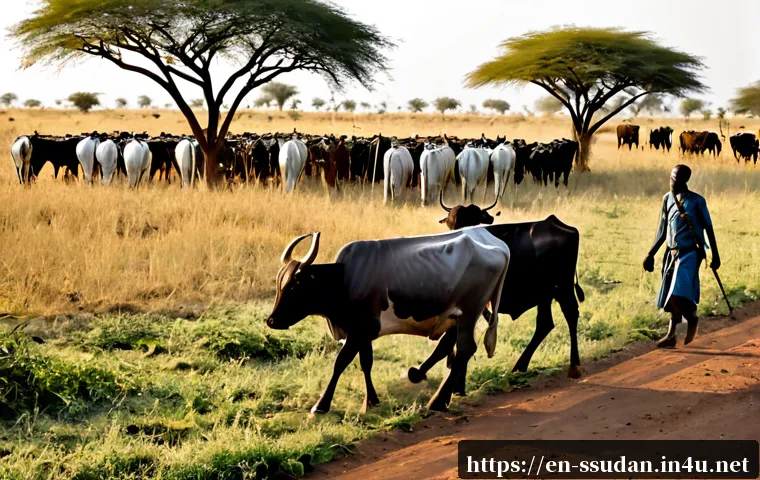
Cattle raiding and intercommunal violence have been reported in several rural regions. These incidents can involve weapons, reprisals, displacement, and changing access conditions. This is not a risk that can be assessed reliably from a broad country label alone.
Anyone planning rural travel should ask whether the specific route and destination have been checked recently. Remote visits may require more than normal booking arrangements, especially where communications, transport alternatives, and local support are limited.
Fraud, Bribery, and Exploitation Risks
Corruption, bribery requests, and document-related fraud can create risks for visitors, businesses, and aid operations. Human trafficking and exploitation are also serious concerns for vulnerable populations, including displaced people and children. Organizations should use clear reporting channels and avoid informal arrangements that create legal, financial, or personal risk.
Document control matters. Keep records of approvals, travel documents, payments, and equipment handovers. Staff should know who to contact if they encounter suspicious requests, missing documents, or pressure to make an unofficial payment.
Comparing Crime Risks by Location, Travel Method, and Purpose
A useful security assessment separates the setting from the traveler. The same person may have a lower exposure while staying at a planned urban location and a higher exposure during an unplanned road journey or a remote field visit.
Urban Areas Versus Rural and Border Regions
Urban areas may present concerns such as theft, burglary, robbery, and opportunistic crime. Rural and border regions can involve additional uncertainty related to intercommunal violence, cattle raiding, road access, and limited infrastructure. Neither category is automatically safe or unsafe; the relevant question is whether the specific location has been checked close to the travel date.
Road Travel, Checkpoints, and Transport Planning
Road travel can involve risks beyond crime. Checkpoints, poor road conditions, banditry concerns, and rapidly changing local security conditions can affect a journey. Avoid unnecessary night travel, confirm who is responsible for route decisions, and make sure someone knows the planned departure, arrival, and contact schedule.
When comparing secure transport options, look at route familiarity, communications procedures, vehicle suitability, driver vetting, and what happens if movement must be delayed or changed. A vehicle booking alone does not necessarily provide a security plan.
Risks for Tourists, Aid Workers, Business Visitors, and Residents
Tourists may need simple but disciplined controls around accommodation, cash, transport, and local movement. Aid workers can face additional exposure when traveling to displaced or remote communities. Business visitors may carry valuable equipment, documents, or financial information. Employers also have a duty-of-care responsibility to plan for staff exposure rather than leaving decisions entirely to individual travelers.
When Travel Insurance or Security Assistance Adds Practical Value
Travel insurance may be useful when it fits the actual trip, but its value depends on policy wording. Review medical support, evacuation terms, exclusions, destination limitations, and any requirements related to conflict or security incidents. Do not assume that a standard policy covers every route or work assignment.
Security assistance may be more relevant when a trip includes remote locations, multi-town road travel, sensitive work, or a changing local environment. Compare support by response process, local capability, communications arrangements, and the scope of services rather than by a headline promise.
Practical Safety Planning and Common Mistakes to Avoid
Good planning is not about predicting every incident. It is about reducing avoidable exposure and knowing who will make decisions if plans no longer fit conditions on the ground.
Check Current Conditions Before Booking Transport or Accommodation
Ask for current information about the intended town, neighborhood, route, and accommodation—not only general advice about South Sudan. Confirm whether transport can be arranged reliably and whether the arrival plan still works if a delay occurs.
Limit Predictable Routines and Avoid Unnecessary Night Travel
Keep movement plans need-to-know. Avoid publishing routes, schedules, or accommodation details unnecessarily. Where practical, reduce predictable routines and avoid nonessential night movement, especially when road and local security conditions have not been recently confirmed.
Protect Documents, Cash, Devices, and Sensitive Work Information
Divide cash and cards between secure locations. Keep passports, permits, and essential contacts accessible but protected. For organizations, secure work devices and limit access to sensitive travel details, beneficiary data, or operational records.
Do Not Rely on Outdated Country-Wide Safety Assumptions

One of the most common planning mistakes is assuming conditions are the same across the country or remain stable over time. Security conditions can change by state, town, route, and current political or conflict conditions. Update plans before departure and before major movements.
Planning for Higher-Risk Situations
Higher-risk travel does not always mean travel is impossible. It means the planning threshold should be higher, and the people responsible should be clear about communications, support, and stop decisions.
Working in Remote Locations or Moving Between Towns
Remote work and inter-town movement can combine road uncertainty, limited infrastructure, and slower access to assistance. Consider whether the route has been recently reviewed, whether communications will work, and whether the team has a realistic alternative if movement becomes impractical.
Managing Staff Travel and Duty-of-Care Responsibilities
Employers should distinguish between personal travel preferences and organizational duty-of-care planning. A workable plan identifies who approves travel, who receives check-ins, what triggers a route change, and how an incident will be reported. Security risk assessments can help match controls to the actual assignment.
Preparing Communications, Medical, and Evacuation Contingencies
Medical, evacuation, and private security services may vary in availability, response time, and effectiveness by area. Confirm the actual scope of assistance before relying on it. Keep key contacts, escalation steps, and communication expectations in a format that remains available if internet access or normal routines are disrupted.
Responding Safely After Theft, Threats, or a Security Incident
After an incident, prioritize immediate personal safety and follow the organization’s reporting process where applicable. Avoid escalating a confrontation over property. Document key details when it is safe to do so, protect remaining accounts and devices, and reassess whether continued travel is appropriate.
Choosing Travel, Transport, and Security Support
Selection should be based on the actual travel profile. A short visit with fixed accommodation may need different support from a field assignment involving road travel and multiple locations.
Comparing Travel Insurance Coverage and Exclusions
Look beyond a policy title. Check the destination terms, medical support, evacuation language, exclusions, reporting requirements, and whether the policy fits business, aid, or other work-related travel. Coverage must be verified before purchase, particularly where conflict-related exclusions may matter.
What to Assess in Secure Transport and Accommodation Options
For transport, assess route knowledge, communication procedures, driver credentials, vehicle condition, and contingency handling. For accommodation, assess access controls, location suitability, visitor procedures, secure storage, and how the property communicates during local disruptions.
Questions to Ask a Corporate Travel-Risk or Security Provider
Ask what geographic coverage the provider has, how it receives current local information, who can authorize changes, what support is available during an incident, and whether the service includes only advice or practical coordination. Request clarity on limitations rather than relying on broad descriptions.
Balancing Trip Cost Against Route, Duration, and Exposure Level
The lowest-cost option may not suit a route with uncertain access or limited alternatives. Match spending to exposure: a fixed urban stay may need focused accommodation and document safeguards, while remote travel may justify stronger transport planning and professional travel-risk support.
Selection Criteria and Comparison Summary
Low exposure: a short, fixed-location visit with confirmed accommodation and limited local movement. Medium exposure: business or aid travel with scheduled movement, equipment, or several local meetings. High exposure: remote work, travel between towns, uncertain routes, or assignments affected by changing security conditions.
Before entering or moving within the country, check the current destination and route, confirm transport and accommodation details, protect documents and devices, establish check-in procedures, and review insurance or assistance limitations. Postpone travel or seek current professional advice when reliable local information is unavailable or the security situation has materially changed.
For insurance, transport, accommodation, or security support, review the provider’s official details and full terms before making a decision.
In Closing
South Sudan security planning works best when it is specific rather than generic. Crime and security risks may differ between an urban stay, a rural assignment, and a road journey between towns. Sensible preparation includes current local checks, realistic movement plans, and clear communications. When exposure is higher, professional security assessment or corporate travel support may provide a more suitable planning basis.
Useful Information to Keep in Mind
1. Keep a copy of essential documents separate from the originals.
2. Share itinerary changes with a trusted contact or designated travel manager.
3. Confirm the route and arrival plan shortly before movement.
4. Review travel insurance exclusions instead of assuming evacuation or security incidents are included.
5. Treat changing local conditions as a reason to reassess, not as an inconvenience to ignore.
Important Notes
This article provides general risk-planning information, not a real-time security clearance or a guarantee of safety. Current crime rates, the risk level of a specific town or road, and the availability of police, medical, evacuation, or private security services require up-to-date local verification. Insurance coverage, exclusions, security-provider scope, and pricing must be confirmed directly with the relevant provider.
Frequently Asked Questions
Q1. What are the biggest safety risks for travelers in South Sudan?
A1. Risks may include armed violence, localized insecurity, robbery, theft, burglary, road travel concerns, cattle raiding, intercommunal violence, fraud, and bribery requests. The most relevant risk depends on the specific town, route, purpose of travel, and current conditions.
Q2. Is travel insurance enough for a business trip or aid assignment in South Sudan?
A2. Not necessarily. Travel insurance can be one part of planning, but it may not replace route assessment, secure transport, accommodation checks, staff communications, or organizational incident procedures. Review the policy’s exact coverage and exclusions before relying on it.
Q3. When should an organization consider secure transport or a security risk assessment?
A3. Consider additional support for remote assignments, travel between towns, work involving sensitive information or equipment, uncertain road conditions, or rapidly changing local security conditions. The appropriate level of support should match the route, duration, travelers, and operational exposure.