
South Sudan’s medical facilities vary widely by location and service level. Learn how to compare hospitals and clinics, plan referrals, check emergency readiness, and decide when evacuation coverage may be worth considering.
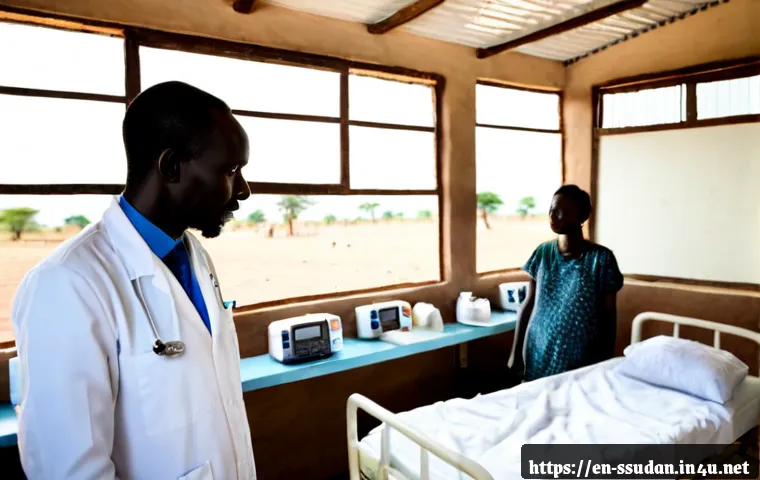
Choosing medical care in South Sudan depends mainly on urgency, location, and the likelihood that referral-level treatment will be needed
. For routine concerns, the nearest suitable facility may be the right starting point, while serious illness or injury may require early transport planning or treatment outside the country.
Service availability can vary greatly between Juba, larger towns, and remote communities. Private clinics may offer convenient consultations or selected diagnostics for self-paying patients, but their current capacity should always be confirmed.
Employers, expatriates, aid workers, and families may also want to review health benefits and medical evacuation coverage before an emergency occurs. The safest approach is to confirm services, payment arrangements, medicines, and referral options before travelling when circumstances allow.
At a Glance
- Start with the nearest appropriate facility, but do not assume every hospital or clinic can provide specialist, surgical, or intensive care.
- Before travelling, confirm opening hours, staff availability, medicines, laboratory services, payment methods, and transport options.
- For remote locations or higher-risk needs, review referral transport, employer health plans, and medical evacuation insurance in advance.
| Care Option | Best Considered For | Potential Advantages | Key Questions Before Going |
|---|---|---|---|
| Public or state-level hospital | Essential services and broader general care | May provide a wider range of core services | Is the needed department staffed? Are beds, medicines, blood services, or tests available today? |
| Private clinic or hospital | Consultations, selected diagnostics, and urban convenience | May offer faster access for self-paying patients | What is the payment method? Can the clinic manage the condition or arrange a referral? |
| Humanitarian-supported service | Primary care, maternal health, vaccination, and emergency support | Can be important where other options are limited | What services are currently offered, and are there eligibility or scope limits? |
| Referral or evacuation arrangement | Complex trauma, intensive care, specialist surgery, or advanced imaging needs | Provides a pathway when local capacity is not sufficient | Who authorizes transport? What destinations, transport terms, and coverage limits apply? |
What Medical Care Can Patients Expect in South Sudan?
Quick Answer: Start with the Nearest Appropriate Facility
The practical starting point is usually the nearest facility that is appropriate for the urgency of the problem. A clinic may be suitable for a routine consultation, prescription review, or basic assessment. A public hospital or higher-level facility may be more appropriate when symptoms are severe, when admission may be needed, or when a patient could require surgery or more extensive monitoring.
However, complex trauma, intensive care, specialist surgery, and advanced imaging may require referral to another facility or treatment outside South Sudan. Early planning matters because the referral route can be as important as the first consultation.
Why Location, Transport, and Service Confirmation Matter
Healthcare access differs substantially between Juba, larger towns, and remote rural communities. Road conditions, weather, security conditions, and fuel availability can affect ambulance access and referral travel time. A facility that looks close on a map may not be quickly reachable in practice.
Before beginning a long journey, call or send a trusted contact where possible. Confirm that the service is operating and ask whether the facility can provide the care needed. This simple step can prevent travel to a location without the required staff, medicine, diagnostic capacity, or available space.
The Difference Between Routine, Urgent, and Referral-Level Treatment
Routine care may include consultations, follow-up for ongoing conditions, basic testing, and prescriptions. Urgent care involves symptoms that need prompt assessment and should not wait for a preferred provider. Referral-level treatment becomes relevant when care requires specialist skills, advanced diagnostics, surgery, intensive monitoring, or capabilities not available locally.
Do not treat a clinic name, hospital category, or past experience as a guarantee of current capacity. Staffing, supplies, beds, and operating capability can change.
Comparing Public Hospitals, Private Clinics, and Humanitarian Health Services
Public and Teaching Hospitals: Broader Services but Potentially Limited Capacity
Public hospitals and state-level facilities commonly provide a broad range of essential services. They may be a logical option for patients who need more than a basic consultation. At the same time, South Sudan’s health system faces constraints involving trained staff, medicines, diagnostic equipment, and reliable infrastructure.
During high demand or supply disruption, capacity may be limited. Ask directly about the service you need rather than relying on a general assumption that a hospital can provide every test, procedure, or level of care.
Private Clinics: Convenience, Self-Pay Considerations, and Questions to Ask
Private clinics and hospitals are more concentrated in urban areas, particularly Juba. For self-paying patients, they may offer convenient access to consultations or selected diagnostic services. That does not automatically mean they can manage severe emergencies or complex conditions.
Before choosing private care, ask about consultation payment, laboratory capacity, pharmacy stock, imaging availability, operating hours, and referral arrangements. If you use employer health benefits or a travel medical policy, confirm whether the provider accepts the plan or whether reimbursement documentation will be needed.
Humanitarian-Supported Facilities: Where They May Help
Humanitarian and non-governmental providers support many primary healthcare, maternal health, vaccination, and emergency services across the country. These services can be especially important in areas with few alternatives.
Service scope can vary by location and operational conditions. A facility may provide valuable primary care but not inpatient treatment, specialist services, or ongoing management for every condition. Confirm the current service list before making travel arrangements.
Comparison: Cost, Waiting, Diagnostics, and Referrals
There is no single facility type that is best in every situation. Public hospitals may offer broader essential services but may face capacity pressures. Private clinics may be more convenient for certain self-pay consultations or tests, while humanitarian-supported facilities may be central to primary and maternal care in underserved areas. Referral or evacuation options matter when the required level of care is not locally available.
Instead of comparing only by expected cost, compare clinical capability, travel time, payment requirements, and the ability to arrange onward referral. Exact fees, waiting times, ambulance rates, and insurance acceptance policies must be checked directly with the provider or plan administrator.
Costs, Payment Planning, and Medical Evacuation Considerations
Common Out-of-Pocket Cost Categories
Patients may need to plan for several separate costs: consultation, laboratory tests, medicines, admission, transport, and possible referral travel. A clinic visit can also lead to additional costs if tests, medicines, or transfer to another facility are needed.
Ask what payment methods are accepted before departure. For a planned visit, it is sensible to ask whether payment is expected before consultation, testing, admission, or transport. Do not assume that a payment method accepted at one provider will be accepted at another.
What Employer Health Benefits and Travel Medical Policies May Cover
Employer health plans and travel medical policies may have different rules for outpatient care, inpatient treatment, referrals, emergency transport, and treatment outside the country. A plan may also specify how authorization works and whether assistance must be contacted before arranging non-routine transport.
For employers, a clear staff medical referral plan can reduce uncertainty during an urgent event. Keep plan contact details, escalation contacts, and documentation requirements available to staff and managers.
When Evacuation or Cross-Border Referral Coverage May Be Worth Evaluating
Medical evacuation insurance or an assistance plan may be worth evaluating for people who live or work far from higher-level care, have duties in remote areas, or may need access to specialist treatment not available at the first facility. This is a planning tool, not a substitute for confirming how a current emergency should be handled.
Review the policy language carefully. Focus on referral benefits, emergency transport terms, authorization procedures, destination rules, exclusions, and coverage limits.
Questions to Ask Before Relying on a Plan
Ask who coordinates a referral, whether pre-approval is required, how emergency contact is made, and what records must be supplied. Also ask whether the plan addresses ground transport, air transport, inpatient care, and cross-border referral. The answer may differ by policy, employer arrangement, and medical situation.

How to Prepare for a Hospital Visit or Medical Referral
Documents and Information to Bring
Bring identification, any available medical history, current prescriptions, prior test results, and contact details for a family member or employer contact. If the patient has a chronic condition, a short written summary of diagnosis history, regular medicines, allergies, and previous treatment can help the receiving team understand the situation more quickly.
Confirming Services Before Departure
When time allows, confirm whether the facility has the relevant clinician, laboratory test, blood service, pharmacy stock, and payment method. If surgery, maternity care, or urgent admission may be involved, ask whether the facility can assess and manage the situation or whether it expects to refer patients onward.
This is particularly important before long-distance travel. Never assume that all facilities have the same diagnostic or emergency capacity.
Planning Transport, Companions, Communications, and Follow-Up
Referral travel can be affected by roads, weather, security, fuel, and communications. Plan a transport option and a backup where practical. A companion can help with communication, documents, payment questions, and updates to family or employers.
Before leaving a facility, ask what follow-up is needed, where it should occur, and what records should travel with the patient. Keep discharge notes, prescriptions, and test results together.
When to Seek Emergency Help Without Waiting for a Preferred Provider
If a condition appears severe or rapidly worsening, seeking prompt emergency help is more important than waiting for a preferred clinic, insurer response, or a distant provider. The appropriate next step depends on the situation and what is reachable, but delays can make referral planning harder.
Practical Guidance for Families, Employers, Aid Workers, and Travelers
Families Managing Chronic Illness, Maternity Care, or Pediatric Needs
Families can reduce stress by identifying a nearby starting point for care and a possible referral path for more complex needs. For chronic illness, keep medicine lists and past records ready. For maternity or pediatric needs, confirm in advance which services are available locally and what happens if a higher level of care is needed.
Employers Building a Staff Referral and Emergency Transport Plan
Employers should make emergency contacts, transport arrangements, and health benefit information easy to find. A useful plan identifies who makes decisions, how staff contact assistance services, which documents should accompany a referral, and how communication will continue if the employee is moved.
Employer health coverage should be reviewed for practical usability, not only for its headline description. Staff need to know how to access help when normal working hours or local travel conditions create delays.
Aid Workers and Travelers Assessing Access Before Deployment or Travel
Aid workers and travelers should review likely clinic access before arrival or deployment, especially when travel includes remote areas. Check the expected route, communications options, local transport realities, and the procedure for obtaining medical assistance if local care is insufficient.
Remote-Area Planning When Care Is Far Away
Remote-area planning should assume that travel can take longer than expected. Keep key contacts available, understand the nearest realistic point of care, and know the referral pathway where possible. For people working in isolated locations, evacuation coverage and referral transport planning may be particularly relevant.
Selection Criteria and Comparison Summary
Choose a hospital, clinic, or referral arrangement by checking urgency, actual service capability, travel distance, payment clarity, medicine and diagnostic availability, and onward referral arrangements. Red flags include unclear emergency capacity, unconfirmed medicine supply, no transport backup, and a provider that cannot explain how complex cases are transferred. Compare coverage limits, referral benefits, and emergency transport terms before choosing an employer plan, travel medical policy, or medical evacuation provider. For official details and full conditions, check the relevant provider or plan page directly.
Closing Thoughts
Medical care decisions in South Sudan are often shaped by practical limits as much as by preference. The best first choice is not always the closest facility or the most familiar name; it is the option that can safely address the current need and arrange referral if necessary. Confirming key details before travel can save time and reduce avoidable uncertainty. For families and organizations, planning before an emergency is usually more useful than trying to compare options during one.
Useful Information to Keep on Hand
1. Keep identification, prescriptions, and prior test results together.
2. Save facility, employer, insurer, and emergency contact details in more than one place.
3. Confirm payment methods and service availability before a long trip when possible.
4. Ask how referrals and transport are arranged if local treatment is not enough.
5. Keep a practical backup transport and communication plan for remote travel.
Important Notes
Facility opening hours, staffing, medicine stock, beds, specialist schedules, fees, ambulance availability, and emergency capability can change. This information cannot determine whether any individual facility can safely manage a specific emergency, surgery, pregnancy complication, or chronic condition at a particular time. Contact the facility, insurer, employer assistance contact, or relevant emergency service directly for current information.
Frequently Asked Questions
Q1. Which hospitals in South Sudan are best for emergencies?
A1. There is no single answer for every emergency. The most suitable option depends on the patient’s condition, location, travel conditions, and the facility’s current emergency capacity. For severe or rapidly worsening symptoms, seek prompt help from the nearest appropriate facility and ask about immediate referral if higher-level care is needed.
Q2. Are private clinics in Juba more expensive than public hospitals?
A2. Exact consultation, test, admission, and medicine charges vary and should be confirmed directly. Private clinics may offer convenient self-pay access to consultations or selected diagnostics, but patients should ask for payment expectations and confirm what services are actually available before choosing.
Q3. Should expatriates and aid workers consider medical evacuation insurance in South Sudan?
A3. It may be worth evaluating, particularly for people based far from higher-level care or those who may need specialist treatment not available locally. Compare referral benefits, emergency transport terms, authorization procedures, exclusions, destination rules, and coverage limits before relying on any medical evacuation insurance or assistance plan.