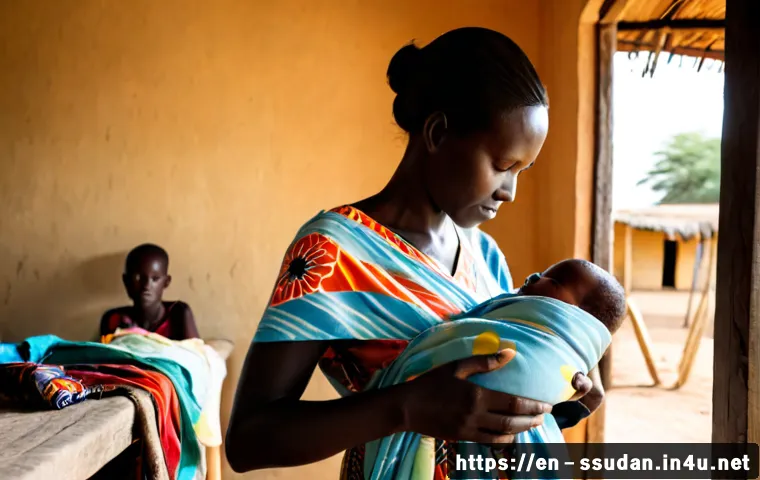
The safest available birth plan in South Sudan usually includes antenatal contact, transport preparation, and a clear referral backup. No single option is equally suitable everywhere, because travel, staffing, medicines, weather, security, and emergency capacity can change by location and season.
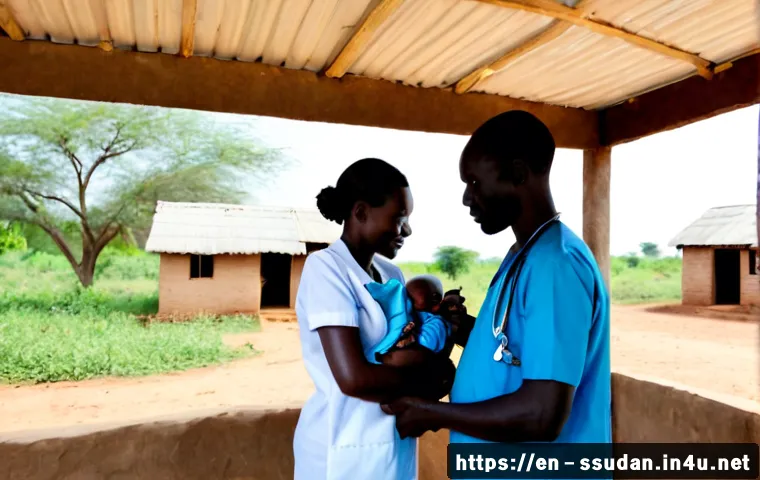
Families should compare care options early rather than waiting until labour begins. A clinic or hospital may offer more support, but its current services and referral links should be checked directly.
Home-based support may be the only practical option for some households, yet it still needs an urgent transport and contact plan. Spending decisions are best focused on reliable transport, essential clean supplies, companion support, and follow-up care.
At a Glance
- Plan early: arrange an antenatal care contact, possible transport, and an emergency referral option before labour starts.
- Compare more than distance: ask about staffing, opening arrangements, available medicines, newborn support, and referral links.
- Protect the first days: hygiene, warmth, feeding support, safer water, and prompt assessment of concerning symptoms all matter.
| Decision point | What to compare | Why it matters |
|---|---|---|
| Birth-care location | Travel time, staff presence, referral arrangements, newborn support | Services can differ greatly between communities and may change. |
| Transport readiness | Vehicle access, road conditions, flooding, security, cash, and a driver or contact | Delays can be harder to manage when roads or local conditions change quickly. |
| Family support | Companion, food preparation, childcare for older children, and recovery help | Family and community networks can make care arrangements more practical. |
| Essential supplies | Clean delivery supplies, safe water needs, baby clothing, feeding and hygiene basics | Availability and cost can vary by season and location. |
| Emergency escalation | Referral contact, destination, transport alternative, and emergency funds | A plan is stronger when it includes what to do if the first option cannot help. |
What Families Should Prioritize Before Birth
The Three Essentials: A Care Contact, a Transport Plan, and an Emergency Backup
Before birth, focus on three practical items: a maternity care contact, a transport plan, and an emergency backup. Antenatal contact can help a pregnant person ask questions and understand what care may be available locally. Transport planning should include who can travel with the family, how payment will be handled, and what happens if the usual route is blocked. An emergency backup may be another vehicle, another contact, or a known referral route.
Why Early Planning Matters When Conditions Can Change Quickly
Conflict, displacement, seasonal flooding, and weak transport infrastructure can make reaching care more difficult. A route that is workable today may not be workable later. Families do not need to predict every problem, but they can reduce avoidable delays by discussing alternatives early. Keep important contacts and any available health records in a place that a companion can find quickly.
Questions to Ask During Antenatal Visits
Ask what services are currently available, when the facility can be reached, and where referrals usually go if more care is needed. It is also reasonable to ask whether medicines, blood supply, emergency obstetric surgery, or special newborn care can be provided; these are questions to verify directly, not services to assume. Ask what supplies the family should bring and how follow-up after birth is arranged.
Comparing Available Birth-Care Options
Facility Birth Care: Staffing, Referral Links, Medicines, and Newborn Support
A facility may be a useful option when it is reachable and has appropriate staff, supplies, and referral links. However, the quality, opening hours, fees, medicines, and emergency capability of a specific clinic or hospital cannot be assumed. Compare the facility’s current arrangements rather than relying only on its name or location. A direct conversation with the facility or a local maternity professional is important.
Home-Based Support: Practical Limits and When Urgent Referral Is Needed
For some households, home-based support may be the practical reality because of distance, cost, insecurity, or flooding. It should not mean having no plan for complications. The family should still identify transport, a referral destination, a companion, and a way to seek urgent professional help if labour, recovery, or the baby’s condition becomes concerning.
Comparing Travel Time, Transport Cost, Companion Needs, and Emergency Readiness
Compare the full journey, not only the price of one ride. Consider departure time, road access, weather, fuel or vehicle availability, the need for a companion, and a return plan after birth. Paid maternity transport can be worth prioritizing when it offers a more reliable way to reach assessment or referral care. Families should confirm current availability and conditions before depending on any transport provider.
How to Avoid Choosing Only on Price When Complications Are Possible
The lowest-cost option may not include the support needed if circumstances change. A better comparison asks: can this option be reached in time, is there someone to assist, can the family be referred onward, and is there money reserved for an unexpected journey? This is not a reason to buy unnecessary products. It is a reason to protect the most important parts of the plan.
Preparing for Labour, Delivery, and the First 48 Hours
A Practical Birth-Preparation Checklist for the Pregnant Person and Baby
Prepare available health records, contact details, clothing, clean wraps or clothing for the baby, items for hygiene, drinking water arrangements where needed, food for the companion, and money set aside for transport or referral. Keep the bag simple and accessible. If clean delivery supplies are locally available, compare what is included and whether the items are sealed, appropriate, and actually needed.
Clean Water, Hygiene, Warmth, Feeding, and Safe Sleeping Considerations
Newborn care begins with practical basics. Safer water, hand hygiene, clean materials, warmth, feeding support, and a safe sleeping arrangement all deserve attention. Do not assume that infant products are necessary simply because they are marketed for babies. Clean, practical, and available is usually more useful than a brand name.
Danger Signs in Pregnancy, Labour, and the Post-Birth Period
Families should ask during antenatal care which warning signs require immediate assessment and where to go at any hour. A serious concern, a sudden change in wellbeing, or worry that labour or recovery is not progressing normally should not be managed by waiting for a convenient time. Use the emergency contact and referral plan already discussed, if one is available.
Common Planning Mistakes
Common problems include waiting until labour starts to find transport, having no cash reserve, assuming a facility can provide every service, and having no referral contact. Another mistake is leaving the pregnant person without a trusted companion. A short written plan shared with close family can reduce confusion during a stressful moment.
Newborn and Early-Child Care in Everyday Conditions
Feeding Support and When Breastfeeding Concerns Need Professional Help
Breastfeeding support is an important part of infant care, especially when families are managing limited supplies and changing conditions. If feeding is difficult, the baby is feeding poorly, or a caregiver is worried, seek advice from a qualified health worker where possible. Avoid making feeding decisions based only on distant advice or product marketing.
Immunization, Growth Checks, and Keeping Health Records Where Possible
Routine health services may not be equally accessible in every community, but immunization follow-up and growth checks remain important. Keep any child health card or record protected from water and loss where possible. If a family moves, the record can help the next care provider understand what follow-up may be needed.
Preventing Illness Through Safer Water, Hand Hygiene, and Mosquito Protection

Preventable infections, malnutrition, unsafe water, and limited routine services can affect young children’s wellbeing. Practical prevention includes hand hygiene, safer water practices, clean feeding items, and mosquito protection when available and suitable for the household. Ask local health workers about options that fit the child’s age and the local setting.
When Fever, Breathing Trouble, Poor Feeding, or Dehydration Need Urgent Assessment
Fever, breathing trouble, poor feeding, or signs of dehydration in a newborn or young child need urgent assessment. Do not wait for a routine appointment if these concerns appear. Use the fastest safe route to professional care that the family can access, and take available health records along.
Different Family Situations and Practical Support Plans
Families in Juba and Other Urban Areas
Urban families may have more than one care or transport option, but they should still check current staffing, fees, hours, and referral arrangements. Traffic, security changes, and service availability can still affect the plan. Comparing facilities in advance can prevent a last-minute decision based only on proximity.
Rural Households Facing Long Distances to Care
For rural households, transport planning may be the central issue. Identify the likely route, a driver or vehicle contact where possible, a companion, and an alternative if the first plan fails. Families may also need to arrange food, care for other children, and communication with relatives before travel.
Displaced Families and Households Affected by Seasonal Flooding
Displacement and flooding can disrupt records, transport, and regular health visits. Keep available documents, contacts, and essential supplies together in a portable form. Re-check the nearest reachable service point as conditions change, rather than relying on an old route or previous information.
How Diaspora Relatives Can Support Without Making Unsafe Medical Decisions from Afar
Relatives abroad can help with practical planning: transport funds, essential supplies, phone credit, a trusted local contact, or support for a companion. They should avoid directing medical decisions from afar or assuming a facility has specific capabilities. The most useful support often strengthens the local family’s ability to contact qualified care and travel safely when needed.
Choosing Care and Support: Final Checklist
Questions to Compare Maternity Facilities and Referral Routes
Before choosing, ask: Is the service currently reachable? Is skilled birth attendance available? What happens if referral is needed? Can the family confirm current opening arrangements, costs, medicines, and newborn support? Is there a safer transport option if the first route fails?
Budget Categories: Consultations, Transport, Supplies, Food, and Emergency Funds
Build a flexible budget around consultations, transport, basic supplies, food during travel, companion needs, and emergency funds. Costs can vary substantially by location and season, so a family should request current information locally. Keep emergency money separate when possible, rather than spending all available funds on non-essential baby items.
Choosing Only Necessary Baby Products and Prioritizing Safety Over Brand Names
Choose necessary items that support cleanliness, warmth, feeding, and basic hygiene. Check trusted local service options and available infant-care supplies before purchasing, especially where stock changes often. Compare maternity transport and birth supplies by reliability and suitability, not packaging or brand recognition. Official details and current service conditions should be confirmed directly with the relevant provider.
A Simple Decision Guide for Routine Care Versus Urgent Referral
Routine questions can be discussed at planned antenatal, postnatal, immunization, or growth visits. A sudden serious concern in pregnancy, after birth, or in a newborn should activate the emergency plan instead. If the family is unsure, it is safer to contact a qualified maternity or child-health professional promptly than to wait for certainty.
Closing Thoughts
Giving birth and raising a young child in South Sudan can require more planning than a simple choice between home and a facility. The strongest plan is usually the one that matches current local realities while keeping a referral and transport backup. Family support can make a major difference in food preparation, childcare, recovery, communication, and travel. Verify local conditions directly, because services and access can change.
Useful Information to Keep in Mind
1. Save or write down maternity, transport, and referral contacts before they are needed.
2. Keep health records dry, accessible, and ready to travel.
3. Re-check roads, weather, security, and facility availability close to the expected birth period.
4. Prioritize practical support and emergency readiness over non-essential purchases.
Important Notes
This guide is general information, not individual medical advice. The staffing, fees, medicines, blood supply, emergency surgery capacity, newborn services, ambulance availability, road access, and security situation of any specific location must be checked locally. Individual pregnancy and newborn risks require assessment by a qualified maternity or child-health professional.
Frequently Asked Questions
Q1. Is it safer to give birth at a health facility in South Sudan?
A1. A health facility may offer important support, but safety depends on the specific facility’s current staffing, services, supplies, referral links, and the family’s ability to reach it in time. These details should be confirmed directly. If home-based support is the only practical option, an urgent transport and referral plan is still important.
Q2. What should a family budget for when planning childbirth and newborn care in South Sudan?
A2. Consider antenatal consultations, transport, companion needs, food during travel, basic clean supplies, newborn essentials, and an emergency reserve. Actual costs vary substantially by location and season, so families should obtain current local information rather than relying on a fixed amount.
Q3. What newborn danger signs mean a baby needs urgent medical care?
A3. Fever, breathing trouble, poor feeding, or signs of dehydration require urgent assessment. Families should use the fastest safe route to professional care that they can access and take any available child health records with them.