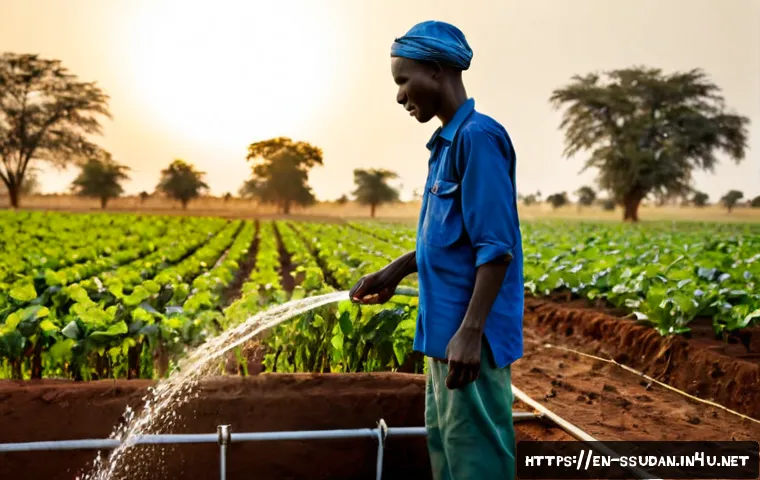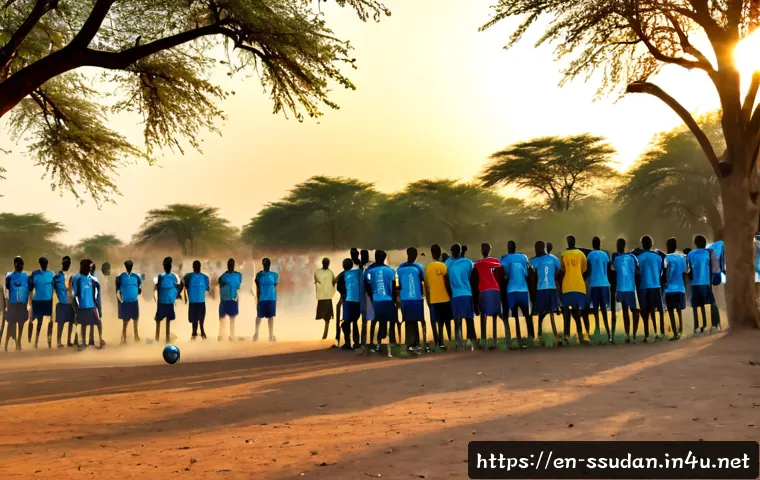
Football is the broadest everyday sport in South Sudan, basketball has gained strong international visibility, and traditional wrestling remains important in community life.
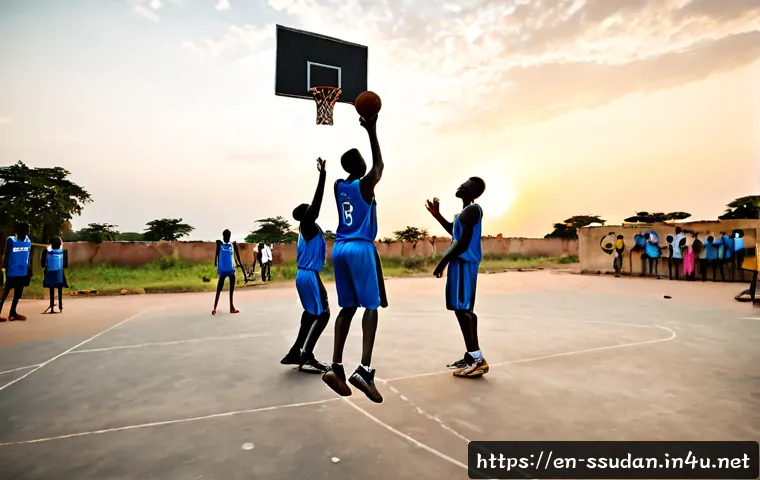
For visitors, schools, and local organizers, the best choice depends on available space, equipment, local guidance, and whether the goal is watching, casual play, or structured training.
Football is usually the simplest option for informal participation, while basketball may be a better fit where courts and coaching are available. Traditional wrestling should be approached as a community and cultural occasion, not simply as a spectator attraction.
Before buying sports equipment or planning travel around an event, check venue access, surface conditions, local customs, and current safety information.
At a Glance
- Football is widely played and followed, from neighborhood games to organized competitions.
- Basketball has gained greater attention through South Sudan’s men’s national team and its international qualification achievements.
- Traditional wrestling remains culturally significant in several communities, especially during festivals and local gatherings.
| Sport | Typical Gear | Space and Facility Needs | Best Fit | Buying Consideration |
|---|---|---|---|---|
| Football | Ball, suitable footwear, comfortable clothing | Open ground, school field, neighborhood space, or pitch | Visitors joining casual games, schools, local clubs | Choose footwear for dusty, uneven, or firm playing surfaces |
| Basketball | Ball, court shoes or stable trainers, lightweight clothing | Basketball court and hoop are most useful for regular play | Players seeking structured practice and team development | Compare outdoor ball durability, grip, shoe support, and court access |
| Traditional Wrestling | Event-specific clothing may vary by community | Community gathering space and local organizers | Respectful spectators and invited community participants | Prioritize local guidance rather than buying specialized gear without advice |
| Athletics and Running | Running shoes or practical trainers, breathable clothing | Open routes, tracks where available, or safe local running areas | Low-equipment individual activity, schools, community groups | Focus on fit, grip, comfort, and the condition of the running route |
Which Sports Matter Most in South Sudan?
Quick answer: football leads everyday participation and fandom
Football is the most visible everyday sport for many people in South Sudan. It can be played with relatively simple equipment, and informal games can take place in neighborhood spaces, school grounds, and other open areas. That accessibility helps explain why football is followed both as a local activity and as a spectator sport.
South Sudan’s men’s national football team is known as the Bright Stars. The country became a FIFA member in 2012, after gaining independence in 2011. For a traveler or newcomer, football is often the easiest sport to understand socially: ask before joining a game, arrive with appropriate footwear, and follow the instructions of the people organizing play.
Why basketball has become more visible internationally
Basketball has received increased international attention through South Sudan’s men’s national team. The team qualified for the 2023 FIBA Basketball World Cup and also qualified for the 2024 Olympic men’s basketball tournament. These milestones have made basketball more visible to young players, diaspora communities, schools, and people looking for a structured team sport.
Visibility does not mean that every location has the same court access or coaching options. A basketball plan should begin with practical questions: Is there a usable hoop? Is the court surface safe? Is an outdoor ball more suitable than an indoor-focused ball? Is regular coaching available? These details matter more than buying expensive equipment too early.
Traditional wrestling as sport, ceremony, and community gathering
Traditional wrestling has cultural and community significance in several South Sudanese communities. It may be connected with festivals, local gatherings, and shared identity. It should not be treated as a generic sporting product or a staged visitor activity.
If you are invited to attend, local rules and community guidance come first. Ask whether spectators are welcome, where to stand, whether photographs are acceptable, and whether there are expectations around dress, behavior, or participation. Respectful attendance supports the event better than arriving with assumptions.
Comparing Football, Basketball, Wrestling, and Athletics
Equipment, space, and budget requirements
Football generally has the lowest barrier for a group. A ball and an open playing area may be enough for a casual session, although good footwear becomes more important on hard, dusty, or uneven surfaces. Basketball requires more specific infrastructure because consistent practice is difficult without access to a hoop and a reasonably safe court.
Traditional wrestling is different. Its main requirement is not a shopping list but a connection to the community holding the event. Athletics and running can also be accessible because they require limited facilities and equipment, but runners should still consider route safety, heat, surface quality, and hydration planning.
Best options for spectators, beginners, schools, and local clubs
For a visitor who wants to watch a familiar sport, football may be the most straightforward starting point. For beginners who want to participate, a casual football game can be approachable if the group welcomes new players. Basketball can suit players who prefer drills, team systems, and regular court-based practice.
For schools and community clubs, the practical choice depends on space and supervision. A football program may work well where a field or open ground is available. A basketball program can add value where a court, hoop, and reliable coaching structure exist. Running activities can be organized with limited gear, provided the route and meeting arrangements are appropriate.
When higher-quality footwear, balls, or court access adds real value
Higher-quality gear is worth considering when it solves a real problem. Footwear with dependable grip and a secure fit can be a sensible purchase for frequent football or running on difficult ground. A durable outdoor basketball may be useful for regular court sessions, especially when the playing surface is rougher than an indoor court.
Paying for organized coaching or safer facility access can also be worthwhile when it provides consistent training, supervision, or a more suitable playing surface. The decision should be based on actual use. A beginner who plays occasionally may benefit more from comfortable, durable basics than premium branded equipment.
Football’s Place in Daily Life and Local Competition
Informal games, school teams, and organized leagues
Football works across many settings: informal neighborhood games, school teams, and organized competitions. This range is part of its appeal. A group can play casually, but players who want routine development can also look for school programs, local clubs, or organized training where available.
Do not assume that participation is open simply because a match is happening. A polite introduction matters. Ask whether the group needs another player, whether teams are already full, and whether there are local expectations about equipment or contribution to the session.
Following the Bright Stars and local football responsibly
The Bright Stars give supporters a national team to follow, while local matches can provide a closer view of everyday football culture. Schedules, ticket availability, entry requirements, venue security, and transport arrangements can change. Check current information directly with local organizers, venues, or trusted community contacts before traveling.
For spectators, arrive respectfully and avoid making assumptions about access. If you are carrying a camera or recording device, ask before filming people, especially around community events or youth activities.
Practical gear choices for uneven or dusty playing surfaces
For football, start with surface-appropriate footwear. A shoe that feels comfortable on a smooth floor may not be suitable for an uneven or dusty field. Check the sole, grip, ankle comfort, and fit before focusing on appearance.
A basic football should match how it will be used. For casual neighborhood play, durability may matter more than premium match features. For a school or community group, compare ball construction, expected frequency of use, storage conditions, and whether a pump is available. Before buying, compare footwear, ball quality, and the actual playing surface.
Basketball’s Growth and Opportunities for Young Players
How national-team success increased interest
South Sudan’s national-team achievements have made basketball a more visible pathway for young players and supporters. Qualification for the 2023 FIBA Basketball World Cup and the 2024 Olympic men’s basketball tournament created international attention around the team.
For young players, inspiration is valuable, but development still depends on practical access: a hoop, regular practice time, supportive teammates, and guidance from capable coaches where available. A national team’s success can encourage interest, but local opportunities may differ widely by town, school access, and facilities.
Court access, coaching, and essential equipment
A basketball player needs more than a ball to practice effectively. Court access is central. Before buying shoes or training equipment, find out whether there is a usable court, how often it is open, and whether the surface is suitable for regular play.
For a basic setup, an outdoor-ready basketball, comfortable clothing, and stable footwear are practical starting points. Organized coaching can be useful for players who want to improve technique and understand team play. For schools or community programs, dependable access to a hoop and supervised practice may be more valuable than purchasing many low-quality items.
Avoiding common mistakes when buying basketball shoes or outdoor balls
A common mistake is buying basketball shoes based only on style. Check fit, stability, comfort, and whether the shoe suits the court surface. Another mistake is choosing a ball without considering where it will be used. An outdoor ball should be selected with durability and grip in mind.
Do not assume that an expensive shoe or ball is automatically the best choice. A practical purchase matches the player’s frequency of use, available court, budget, and training goal. Compare product details and facility access before committing to higher-cost equipment or a coaching program.
Respecting Traditional Wrestling and Community Sports Events
Why local customs and event rules matter
Traditional wrestling can hold meaning beyond competition. It may be linked to community gathering, celebration, local identity, and cultural practice. That means visitors should not approach it in the same way they might approach a commercial sporting event.
Ask first and observe carefully. Local organizers, hosts, or community members can explain where spectators should stand, whether guests may take photos, and what behavior is appropriate. If rules are unclear, do not assume that participation or recording is permitted.
Spectator etiquette, photography, and safety considerations
Respectful spectators avoid blocking participants, interfering with organizers, or moving into restricted areas. Photography should only happen when it is welcomed. This is especially important when children, families, or culturally significant moments are involved.
Safety planning also matters. Event schedules, venue conditions, security arrangements, transport options, and entry expectations may change without notice. Confirm current details locally before attending. If conditions do not feel clear or suitable, it is reasonable to choose another activity rather than taking unnecessary risks.
How to support community sport without treating culture as entertainment only
Support can be simple and respectful: attend when invited, follow local guidance, listen to organizers, and avoid reducing a community event to a photo opportunity. If you are part of a school, club, or diaspora group, ask what type of support is actually useful rather than arriving with a fixed plan.
Sports equipment donations or event support should be discussed with local leaders and organizers first. The most useful item may depend on existing facilities, storage, age groups, and how often the equipment can realistically be used.
Choosing the Right Sport Experience: A Practical Comparison
Best choice for low-budget participation
For many people, football and running are practical low-equipment starting points. Football can work well for a group when a ball and open space are available. Running requires limited gear, although appropriate shoes can improve comfort on challenging surfaces.
Traditional wrestling should not be chosen as a casual activity without community context and invitation. Basketball can become more costly when court access, coaching, and durable equipment are needed regularly.
Best choice for structured training and long-term development
Basketball may suit players looking for structured drills, coaching, and team development where courts are available. Football also offers pathways through school teams, local clubs, and organized competitions. The right choice depends on what can be sustained locally, not only on international visibility.
For community organizers, prioritize a sport that fits the available space, supervision, equipment storage, and participant interest. A simple program that can run consistently is often more useful than an ambitious plan that lacks facilities or local support.
Checklist for equipment, transport, venue conditions, and local guidance
Before choosing a sport experience, check these points:
- Purpose: Are you watching, joining a casual game, training regularly, or organizing a group?
- Surface: Is the ground dusty, uneven, firm, paved, or court-based?
- Gear: Do you need basic footwear, a durable ball, a pump, or sport-specific clothing?
- Facilities: Is there reliable access to a field, hoop, running route, or community venue?
- Local guidance: Have organizers confirmed participation, photography, transport, and event expectations?
- Current conditions: Have you checked schedules, venue access, safety, and entry details close to the event date?
Selection Criteria and Comparison Summary
Choose football if you want the broadest everyday participation and a flexible group activity. Choose basketball if a usable court, a hoop, and coaching or regular practice are available. Choose athletics for a low-facility option, while checking route conditions and suitable shoes. Attend traditional wrestling with local invitation, cultural respect, and clear event guidance. Compare footwear, ball quality, facility access, transport needs, and venue conditions before buying equipment or committing to an organized program. For official event details and current entry conditions, check directly with the relevant organizer or venue.
Closing Thoughts
South Sudan’s sporting culture includes everyday football, increasingly visible basketball, community-rooted traditional wrestling, and accessible running activities. There is no single experience that fits every town, school, or visitor. The best approach is practical: choose equipment that matches the surface, confirm local access, and respect the people organizing the activity. A small amount of preparation can make participation safer, more useful, and more welcome.
Useful Things to Know
1. Football is widely followed and can be found in informal as well as organized settings.
2. South Sudan’s men’s football team is called the Bright Stars.
3. Basketball interest has grown alongside the men’s national team’s international success.
4. Traditional wrestling may have cultural importance that requires more care from visitors than ordinary spectator sports.
5. Equipment prices, coaching availability, and facility quality vary by location and supplier.
Important Notes
Exact nationwide participation rates are not consistently available, and the most popular sport can vary by state, town, age group, school access, and local facilities. Match schedules, tickets, venue security, transport, and entry requirements may change without notice. Confirm current conditions locally before traveling, attending an event, or making a larger equipment purchase.
Frequently Asked Questions
Q1. What is the most popular sport in South Sudan?
A1. Football is widely played and followed across South Sudan, from informal neighborhood games to organized competitions. However, local preferences can vary depending on the community, available facilities, schools, and age groups.
Q2. Is basketball popular in South Sudan after the national team’s international success?
A2. Basketball has received increased attention through South Sudan’s men’s national team, including qualification for the 2023 FIBA Basketball World Cup and the 2024 Olympic men’s basketball tournament. Actual access to courts, coaching, and regular programs can still vary by location.
Q3. Can visitors safely attend football matches or traditional wrestling events in South Sudan?
A3. Conditions vary by venue and event. Check current schedules, entry requirements, transport options, venue security, and local guidance before attending. For traditional wrestling, ask about spectator etiquette and photography rules, and follow the directions of community organizers.